It started as a reverse-dictionary prototype: instead of looking up a disease and finding its symptoms, start with the symptoms. It has since become an organisation with chapters in three countries. This page is not the organisation's pitch — it is what building it actually looked like.
Sympify.org explains what the organisation is and what it does,
and the app itself lives at sympify.ai.
In the media
Two television segments on the launches, and the two videos submitted to the
Congressional App Challenge.
Sympify AI — Beta Launch · Amtv 全美電視臺 · 27 August 2024
Sympify AI — Full Launch · Phoenix TV Americas 凤凰卫视美洲台 · 9 October 2024
Sympify AI — Congressional App Challenge 2024 · submission video · 23 October 2024
Sympify AI — Congressional App Challenge 2025 · submission video · 29 October 2025
This page is the other half: what it was like to build, how it changed shape, and the
parts that do not fit on an about page.
The starting problem
Sympify began as a small reverse-dictionary prototype: instead of starting with a
disease name and looking up its symptoms, a user could start with symptoms and receive
a list of conditions worth discussing further with a clinician. I built the early
version while learning more computational work at USC.
The first prototype was useful mainly as a proof of concept — it could show that the
interaction was possible, but it was not yet accurate, complete, or robust enough to be
treated as a clinical tool.
Turning a prototype into a team
The project stopped being a solo prototype once other students began joining with very
different interests. Some cared about research, some about coding, some about outreach,
and some about building chapters at their own schools.
We eventually organized the group into research, technical, business, and chapter
leadership structures so that people could contribute without everyone doing the same
thing. Learning to build that structure was as important as building the software
itself.
Growing beyond one school
Growth came mostly through students who wanted to build something locally rather than
simply join a central online team. Chapters gave them room to organize events, recruit
members, and adapt the mission to their own communities while staying connected to the
larger organization.
The challenge was creating enough structure to keep the work coherent without turning
every chapter into a copy of the same club.
Building a place for younger students to lead
Instead of keeping every decision at the founder level, Sympify developed multiple
layers of responsibility across departments, directors, chapter leaders, and local
members. The goal was to make it possible for a new member to start with a concrete
task, grow into ownership of a project, and eventually lead other students.
That structure also forced me to learn a harder version of delegation: giving someone
enough context to make decisions without requiring them to ask me about every detail.
About the numbers
The figures on this page — 70+ members, 8 chapters, $55,000+, 8,520+ hours — are
organisation-wide. 8,520+ hours is the total service contributed across Sympify, not
Jalen’s personal hours, and the $55,000+ is organisation-wide funding rather than
money raised personally.
Hours are reported by each member and by the director directly above them, which is
what makes the total verifiable.
Images, posters & documents
▨Image placeholderTODO: Add health awareness event photographs
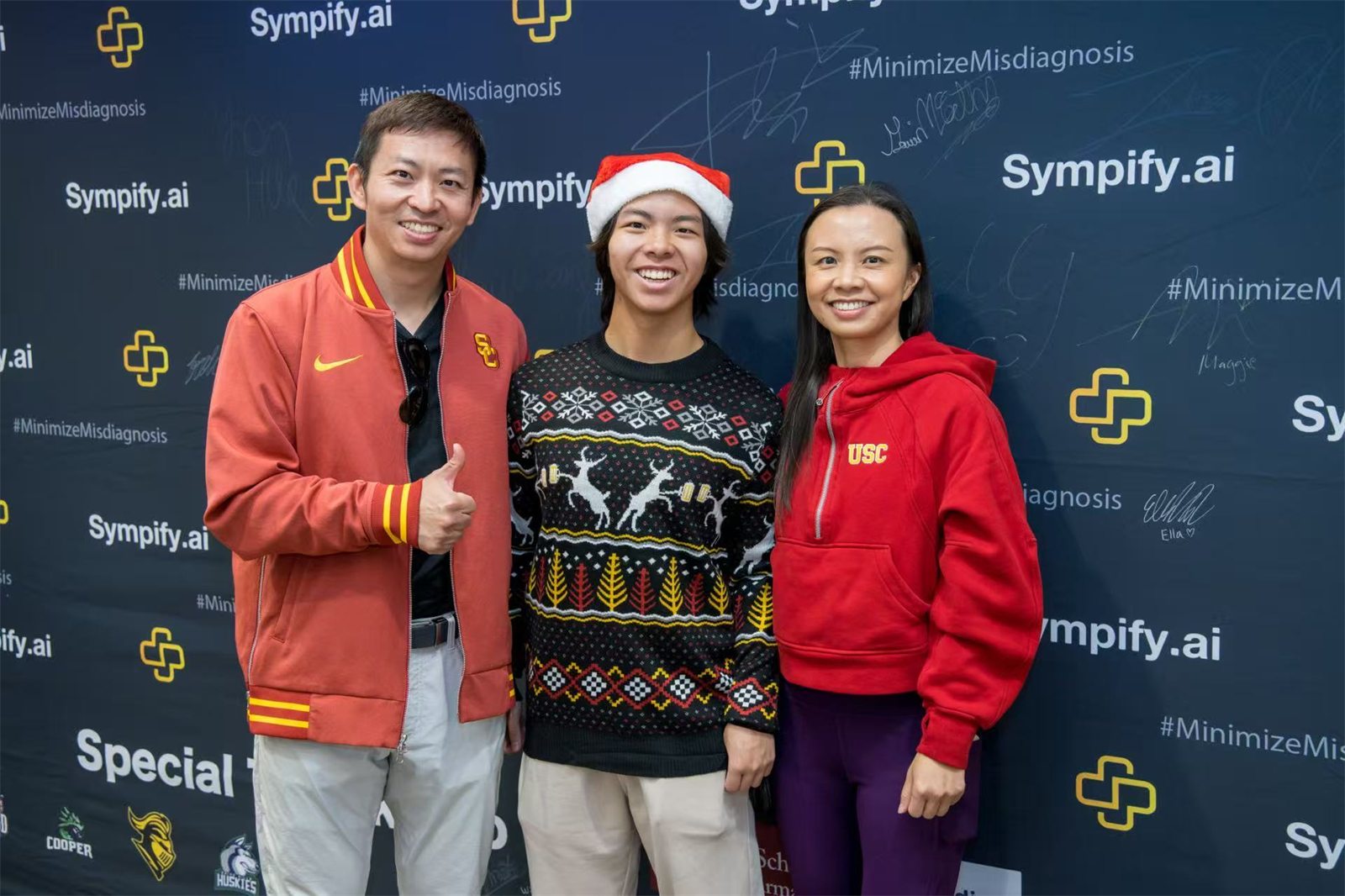
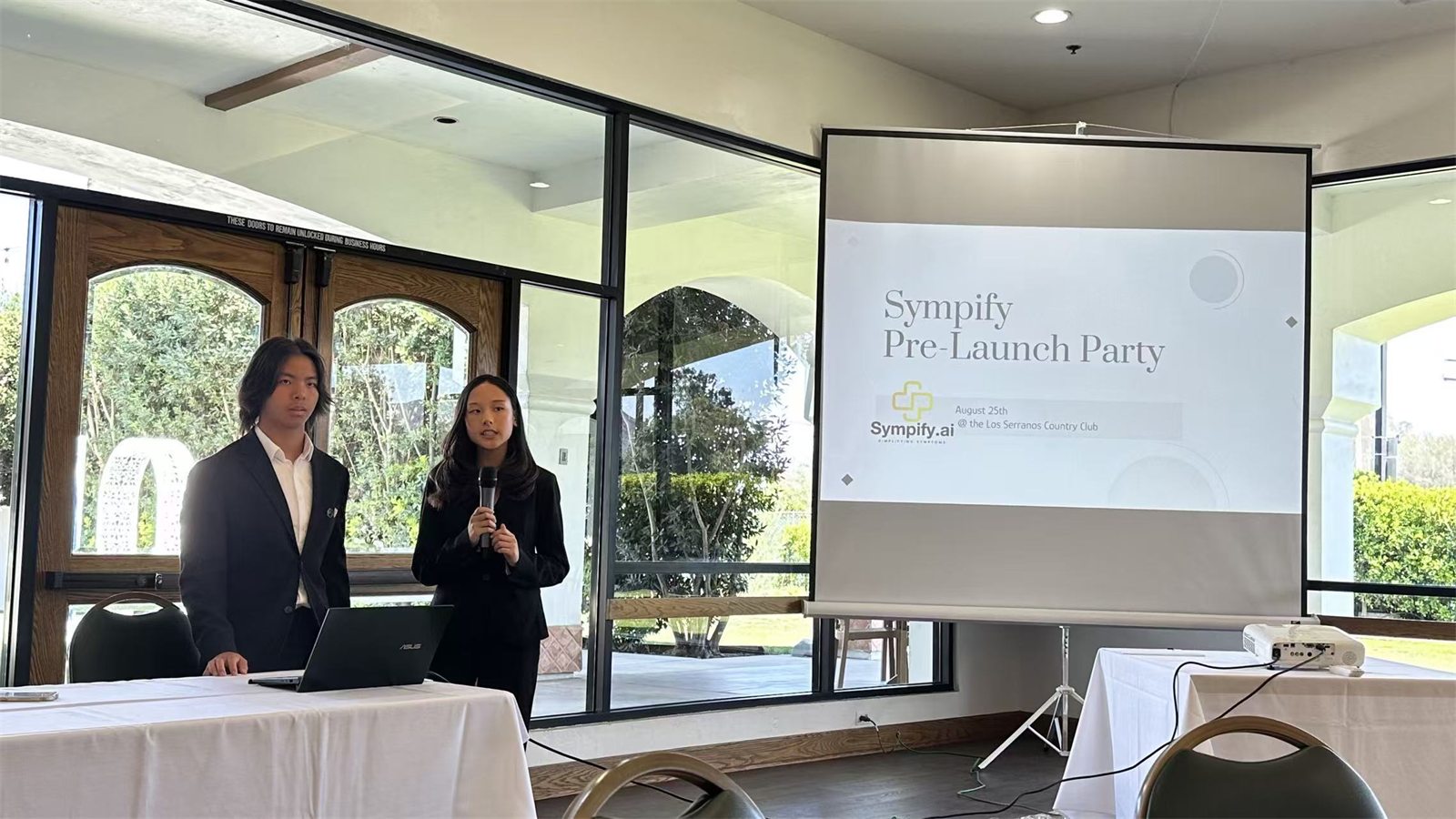
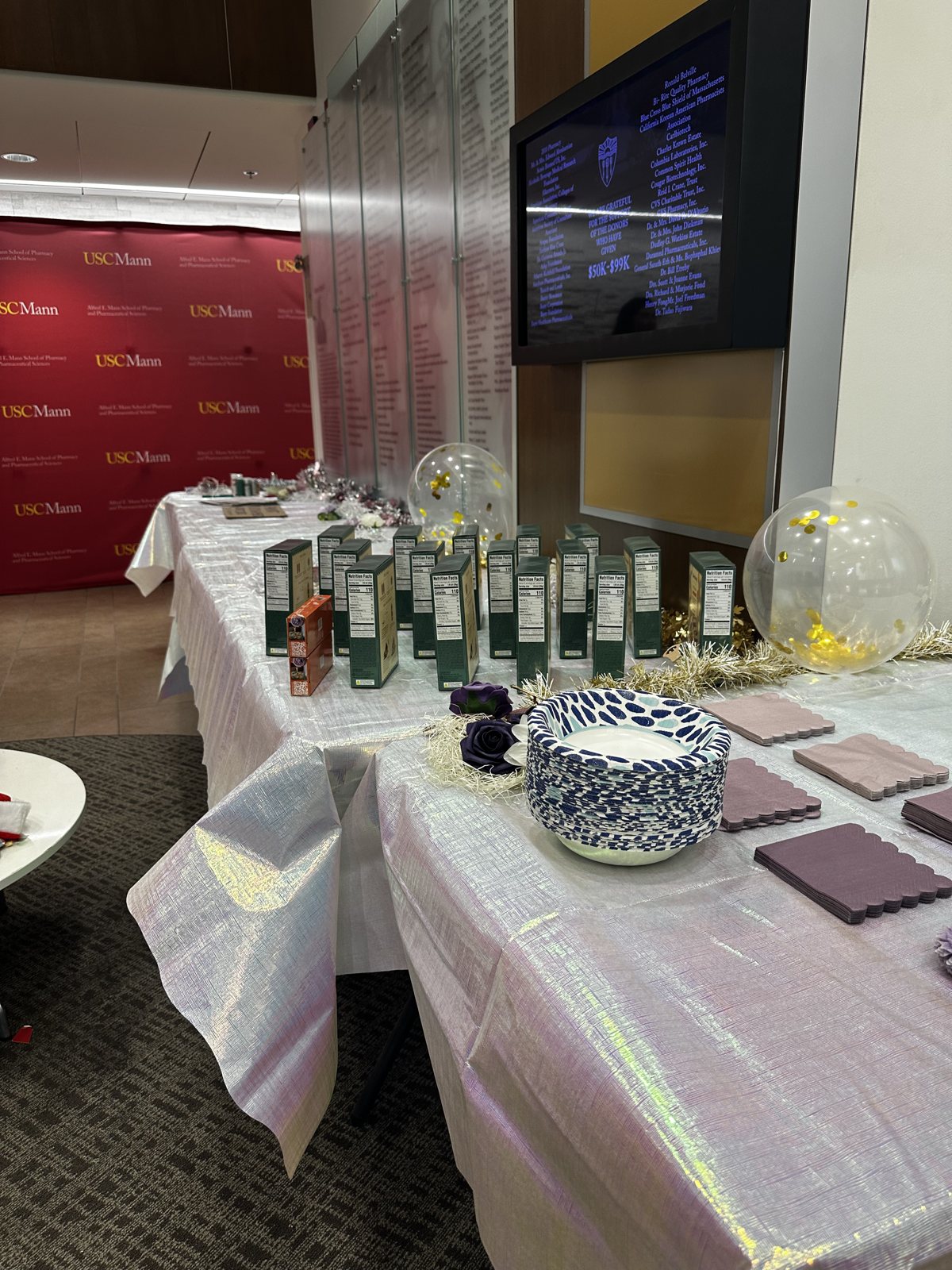
The pre-launch party, Los Serranos Country ClubSetting up for the launchThe launch on the news
▨Image placeholderTODO: Add international chapter photographs
↳Milestones
Building the First Sympify Prototype
A small reverse-dictionary prototype: start with symptoms, get back a list of conditions worth discussing with a clinician. Useful mainly as proof that the interaction was possible — not yet accurate or robust enough to be trusted.
Chapter
Add early screenshots or mockups
Turning a Prototype into a Team
Other students started joining with very different interests — research, coding, outreach, chapters — and the group had to be organised so that people could contribute without everyone doing the same thing.
Chapter
2024
Taking Sympify to the Congressional App Challenge
Sympify was recognised with the Community Impact Award for California's 38th District. The Certificate of Special Congressional Recognition, signed by Rep. Linda T. Sánchez, was presented at the district's award ceremony and is dated 30 January 2025.
★ Community Impact Award — California's 38th DistrictCompetition
Health Awareness Events: From an App to Actual Conversations
Running events in person, where the value was less the software and more the conversations it started.
Chapter
Add individual event names
Add photographs
Growing Sympify Beyond One School
70+ members, 8 chapters, 8 schools, 3 states, 3 countries — grown mostly through students who wanted to build something locally rather than join a central online team.
Chapter
Add a chapter map or list once chapter names are approved for public use
Working with Hospitals and Clinics
Collaborations with four hospitals and clinics.
Chapter
Add approved organisation/partner names and links (not listed on the sympify.org landing page)
Raising Over $55,000 for the Mission
The organisation has raised more than $55,000 in total support. This is organisation-wide funding, not money raised personally by Jalen.
Chapter
Add the major fundraising channels
Note whether any portion was restricted for specific programmes
Add a public-safe breakdown of how the funds were used
8,520+ Hours, but What Were We Actually Doing?
Community outreach, health-awareness events, chapter activities, research, technical development, organisational operations and other approved service work — reported by each member and their director, so the total can be verified. Organisation-wide, not Jalen's personal total.
Chapter
Add an approximate breakdown by category if one exists
Confirm whether all technical/research hours qualify as volunteer service under the same accounting method
Building a Place for Younger Students to Lead
Departments, directors, chapter leaders and local members — so a new member can start with a concrete task, grow into owning a project, and eventually lead other students.
Chapter
Sympify Goes International
Sympify expanded beyond the United States through international student chapters and community work, including activity in China.
Chapter
Add approved chapter and city names
Add event names
Add international chapter photographs and captions
Add current international impact figures to display
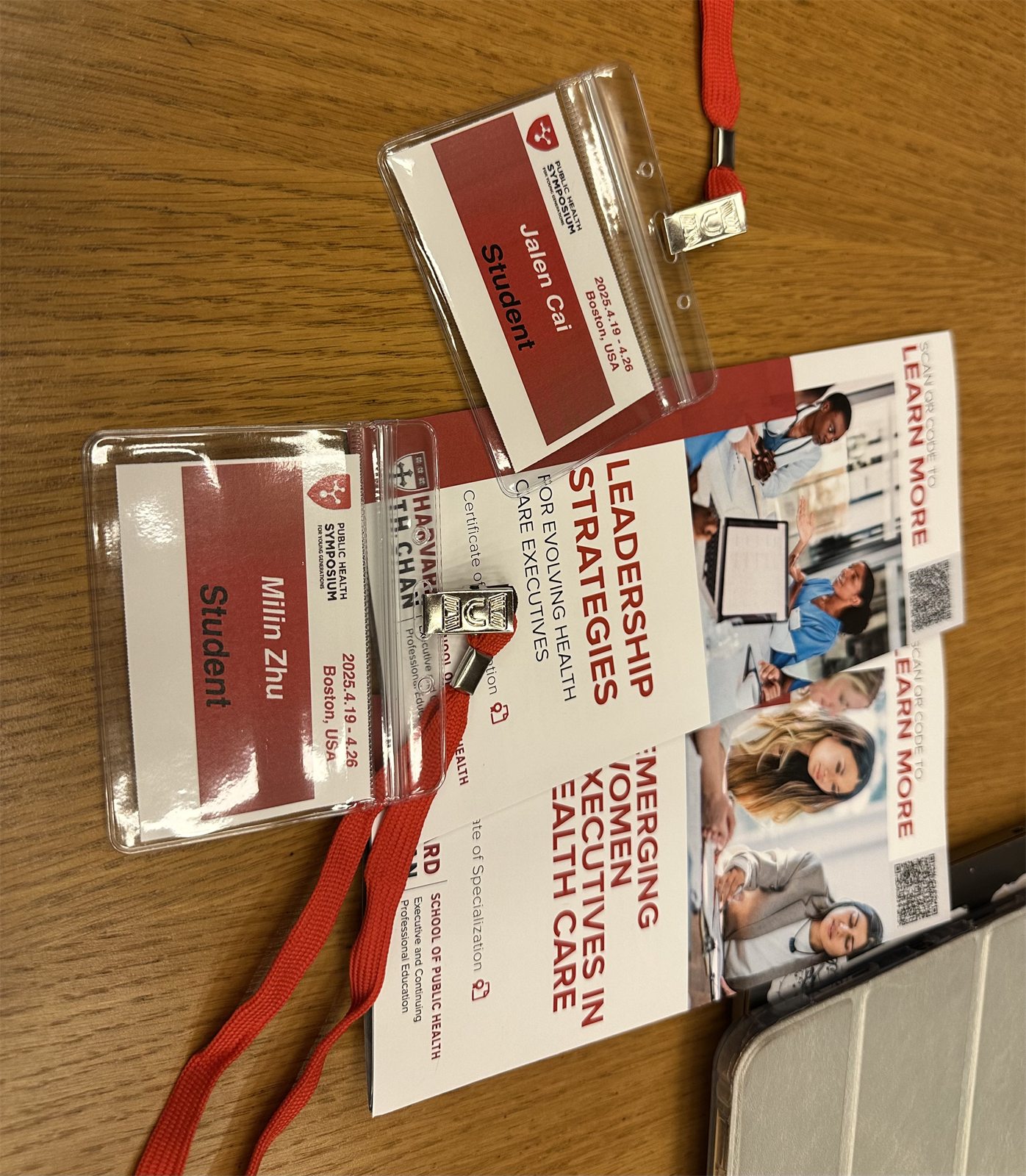
An invitation that arrived because of Sympify's public-health work — and turned into a five-student team, a dataset on niacin and blood pressure, and a presentation that won partly by refusing to overclaim.